



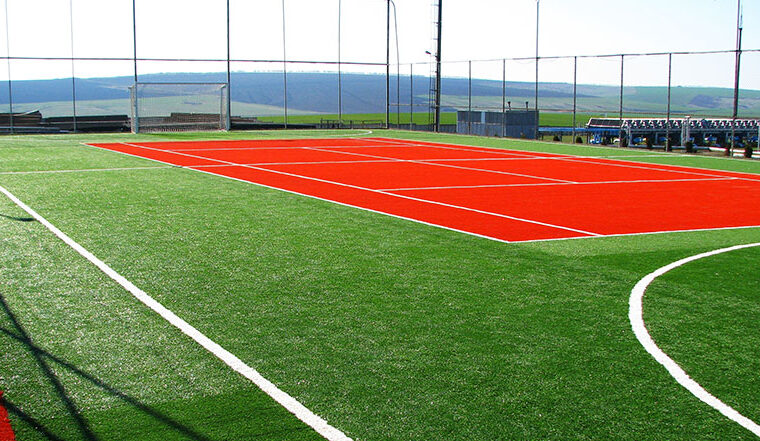
Athletic facility administrators worldwide grapple with surface selection decisions that must reconcile performance demands, environmental considerations, and budgetary constraints. The synthetic versus natural grass debate transcends simple material preferences—it represents a strategic choice affecting ecological impact, athlete safety, and operational sustainability. As communities face water limitations and maintenance complexities and seek year-round field availability, artificial turf has become an essential solution for managing diverse institutional priorities.
Cost Analysis Reveals Long-Term Financial Advantages
Economic evaluation of athletic field management unveils significant disparities between artificial and natural grass systems. While synthetic installation requires a higher initial investment, the extended financial benefits emerge through minimized upkeep requirements and maximized facility utilization. A football field utilizing artificial turf supports 2,500 to 3,000 hours of annual activity, delivering three to four times the usage capacity of natural grass installations.
This usage multiplication fundamentally transforms facility revenue potential. Natural grass surfaces accommodate 200-300 hours yearly before demanding substantial restoration, whereas quality AstroTurf systems sustain over 3,000 hours without deterioration. This enhanced capacity empowers facilities to generate supplementary income through diversified programming, expanded rental agreements, and increased community accessibility.
Operational expenses provide another persuasive economic rationale for synthetic adoption. Maintenance requirements for natural turf cost approximately two to three times more than AstroTurf alternatives. Grass surfaces necessitate ongoing expenditures for cutting, fertilizing, pesticide treatments, watering systems, and periodic replanting. Meanwhile, artificial surfaces require routine brushing, periodic infill replacement, and occasional thorough cleaning—substantially less labor-demanding and expensive processes.
Educational facilities and municipal organizations especially benefit from these decreased operating costs. Natural grass maintenance expenses average $23,000 annually, while AstroTurf systems demand roughly $5,000 yearly. This considerable reduction enables athletic programs to redirect funding toward equipment purchases, staff development, or infrastructure improvements instead of surface upkeep.
Water Preservation Supports Environmental Goals
Environmental advantages of AstroTurf extend well beyond water conservation alone, though preservation statistics remain impressive. Over 6,000 artificial turf installations throughout the United States conserve between 500,000 and 1,000,000 gallons per field annually. Combined, these surfaces preserve 3 billion gallons or more yearly—figures becoming increasingly relevant as communities face mounting water scarcity and drought restrictions.
Conventional grass fields demand steady irrigation for maintaining usability, typically requiring 1 to 2 inches weekly throughout growing periods. In dry climates, this water demand strains civic resources and contradicts conservation directives. AstroTurf eliminates routine watering needs, requiring moisture only for intermittent cooling during excessive heat or cleaning activities.
Chemical elimination represents another environmental benefit. EPA findings show pesticides and fertilizers constitute the primary water contamination sources, impacting thousands of acres of lakes and waterways. AstroTurf prevents chemical runoff pollution and safeguards local ecosystems by removing these application requirements.
Recent carbon footprint innovations have revolutionized environmental impact. AstroTurf developed the world’s first carbon-neutral hockey surface, incorporating 80 percent bio-based components from sustainably cultivated sugar cane. This breakthrough technology actively absorbs CO2 during sugar cane cultivation, with each standard hockey installation saving approximately 73 tons of CO2 versus traditional synthetic alternatives.
Advanced Technology Ensures Superior Performance
Surface uniformity substantially influences athletic achievement and training efficiency. AstroTurf provides dependability, longevity, and minimal maintenance while delivering stable conditions that enhance skill advancement. This reliability proves especially valuable for precision sports demanding exact ball handling and movement control.
Weather durability constitutes another critical benefit. Natural grass becomes unusable during precipitation or freezing, while AstroTurf maintains functionality. Even during harsh conditions, numerous teams can rotate through practices and competitions without degrading the field quality into muddy, unplayable conditions.
AstroTurf’s research investments have yielded meaningful technological breakthroughs addressing historical synthetic surface limitations. Partnership with the University of Tennessee’s Center for Athletic Field Safety exemplifies the industry’s most thorough optimization methodology. Proprietary RootZone technology encases infill materials, maintaining appropriate positioning while reducing displacement through specialized nylon fibers forming three-dimensional support structures.
Modern facilities seeking comprehensive solutions find AstroTurf synthetic surfaces deliver compelling benefits through substantial water conservation, decreased maintenance expenses, reliable playability, and continuous innovation—establishing pathways toward environmentally responsible, high-performance athletic venues serving communities while preserving natural resources.